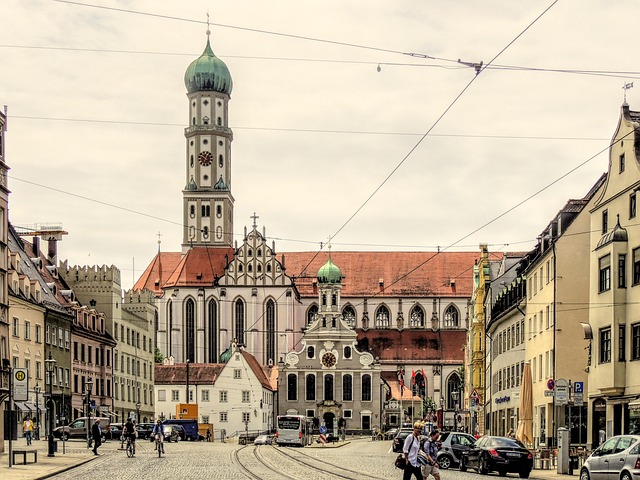


When we think of travel, our minds often picture sunlit beaches, bustling city streets, or scenic mountain roads. Yet, the world of travel also includes journeys that transcend the physical realm, inviting seekers to traverse the landscapes of faith, tradition, and inner experience. In this exploration, we will follow the footsteps of pilgrims and wanderers who have crossed borders, both literal and metaphorical, to connect with sacred places, rituals, and communities that shape the tapestry of human spirituality.
From the Holy Sepulchre to the Himalayas: The Pilgrimage Circuit
The idea of pilgrimage has been a cornerstone of many religions for centuries. In Christianity, the route that connects Jerusalem, Bethlehem, and Nazareth is a path that countless faithful travelers have walked, driven by a desire to relive the moments of Christ’s life. The tradition of the Camino de Santiago in Spain exemplifies how travel can become a meditative practice, with pilgrims walking thousands of kilometers in silence, reflection, and communal fellowship.
Buddhism offers the pilgrimage to Bodh Gaya, where Siddhartha Gautama attained enlightenment under the Bodhi tree. Visitors arrive in reverent silence, often carrying offerings and chanting sutras. The journey to this sacred site is as much about inner awakening as it is about external travel; the path itself is a symbolic map of the mind’s progression toward Nirvana.
In Hinduism, the Kumbh Mela—a massive gathering at the confluence of rivers—draws millions of devotees. The act of traveling to the riverbank for ritual bathing is a communal expression of faith that transcends individual boundaries. Likewise, the pilgrimage to Varanasi, where pilgrims toss rice and flowers into the Ganges, becomes a journey of shedding past sins and renewing spiritual commitments.
Islamic Journeys: The Hajj and Beyond
The annual Hajj in Mecca is perhaps the most recognized pilgrimage in the world, gathering Muslims from diverse cultures into a unified act of worship. Travelers arrive wearing simple garments, a symbolic removal of worldly status, and perform rituals that trace back to the days of Prophet Abraham and his family. The journey from Mecca to Mina and back is a physical testament to the strength of faith and the unifying power of shared travel experiences.
“The Hajj is a pilgrimage that transcends all divisions; it brings together a myriad of nations, languages, and cultures under one sky,” notes scholars who study the socio‑spiritual impact of Islamic travel.
Beyond the annual Hajj, countless Muslims travel to visit the graves of saints, the historic sites of early caliphates, or the tranquil monasteries of Sufism. Each journey offers a unique lens into the evolving traditions of Islam across geography and history.
Indigenous Spirituality: Sacred Paths in the Natural World
Traveling through sacred traditions is not limited to organized religions. Many indigenous cultures around the globe maintain rituals that guide followers on pilgrimages to natural sites—river mouths, mountain summits, and ancient trees. For example, the Native American Navajo tradition involves the Holy House, a symbolic structure that represents the universe and the path to balance. Travelers who participate in these ceremonies often report a deep connection to the land, viewing their journey as an act of stewardship and respect.
Similarly, the Australian Aboriginal Dreamtime stories involve traveling through the Dreaming tracks, where each landmark carries ancestral significance. The act of walking these tracks is both a physical and metaphysical exploration, reminding participants of their place within a broader spiritual continuum.
The Role of Ritual in Shaping Travel Experiences
Rituals infuse travel with layers of meaning. A pilgrim may begin a journey with a cleansing ritual, signifying the departure from past attachments. During travel, daily practices such as meditation, chanting, or communal feasting anchor the traveler in a sense of continuity, even while the surrounding environment changes.
These rituals can also act as a bridge between diverse traditions. For instance, the act of lighting candles is common in Christian and Buddhist practices, while the use of incense appears in Hindu, Muslim, and Jewish rituals. Travelers who encounter such shared practices often experience a subtle sense of unity that transcends doctrinal differences.
- Prayer or meditation: A pause to reflect on the journey and its purpose.
- Communal feasting: Sharing meals with local believers creates bonds beyond geography.
- Ritual bathing: Cleansing rituals found in Hindu, Islamic, and Buddhist traditions.
Modern Pilgrimage and Spiritual Travel
With the rise of global travel, modern pilgrims often blend traditional routes with contemporary sensibilities. Guided tours that focus on mindful walking, ecological sustainability, and cultural immersion are increasingly popular. Travelers now have access to multilingual guides, digital maps, and community forums that support shared learning experiences.
Moreover, the notion of “spiritual tourism” has gained traction. Some travelers seek out retreats that emphasize meditation, yoga, or silent contemplation. These journeys, while marketed as leisure, often incorporate deep spiritual practices rooted in centuries of tradition.
Challenges and Responsibilities of Sacred Travel
While travel offers powerful spiritual insights, it also presents ethical dilemmas. Over‑tourism can strain sacred sites, disrupting rituals and eroding the authenticity of the experience. Travelers bear a responsibility to respect local customs, maintain cleanliness, and engage with communities in a manner that honors their traditions.
Additionally, the economic impact of pilgrimages can both support and exploit local economies. Communities that welcome travelers often receive income that helps maintain temples, shrines, and cultural heritage sites. However, unchecked commercialism can commodify sacred practices, turning reverence into spectacle.
To navigate these complexities, informed travelers seek guidance from local leaders, respect cultural norms, and prioritize sustainability. By doing so, they ensure that their journeys remain acts of reverence rather than intrusion.
The Transformative Power of Travel in Spiritual Growth
Travel has the unique ability to force a departure from routine, prompting introspection and a reevaluation of one’s beliefs. By stepping into a sacred space, pilgrims confront the mysteries that lie beyond their everyday reality. The physical act of moving through different geographies becomes a metaphor for the internal movement toward enlightenment, faith, or personal truth.
Historical accounts show how travel has catalyzed spiritual awakening. St. Augustine’s writings reflect on the profound impact of his early travels to Rome and Alexandria, shaping his theological evolution. In more recent times, modern seekers traveling to the temples of Bali or the monasteries of Tibet report transformative experiences that alter their life trajectories.
Ultimately, the intertwining of travel and spirituality reveals that the journey itself is a living sacred tradition. Whether traversing the streets of Jerusalem, hiking the trails of the Appalachian Mountains, or walking the desert paths of the Middle East, travelers become participants in a living tapestry that connects humanity across time and space.