
Sacramental Blessing: Exploring the Power of Ritual in Religion
Across centuries and cultures, the presence of sacred rituals has served as an anchor for the faithful. Among the most profound and moving is the sacramental blessing—a moment where the divine meets the human soul in a tangible, transformative way. This practice, common across many religious traditions, holds within it an emotional depth that transcends spoken language. It is a bridge between the material and the spiritual, an invocation that wraps the believer in divine grace and reassurance.
Whether received during the sacred vows of marriage, during the baptism of a new life, or in the final anointing before death, a sacramental blessing brings with it a sense of purpose and connection. It is more than a ritualistic phrase or a ceremonial act—it is a channel through which believers encounter the sacred. The ritual underscores the essence of religion: hope, healing, renewal, and the promise of divine presence in life’s pivotal moments.
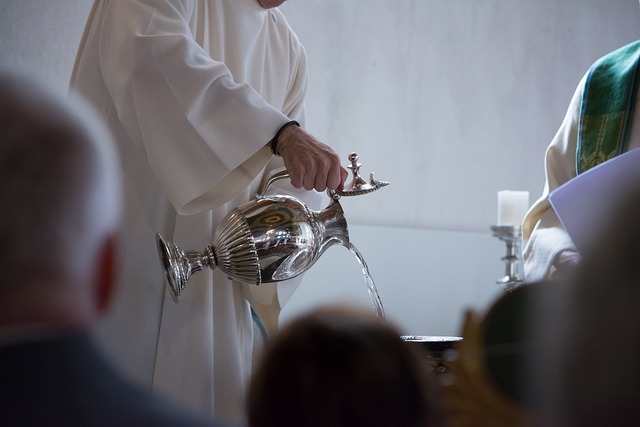
In Christianity, sacramental blessings are closely tied to the seven sacraments, each designed as an outward sign of inward grace. For example, the Eucharist is not merely bread and wine consumed; it is the living presence of Christ within the soul of the participant. The words of blessing, the laying on of hands, and the use of holy oils are not symbolic alone—they are imbued with a power that believers say touches the soul and reshapes the spirit. For many, these moments are etched in memory as spiritual milestones.
But the beauty of sacramental blessings lies not only in the rituals of one faith but across a spectrum of religious landscapes. In Judaism, blessings or “berakhot” are offered in gratitude to God for both the small and the significant—from lighting Shabbat candles to the celebration of a child’s birth. In Hinduism, blessings flow through rituals like pujas, with hands raised in an embrace of divine energy, sanctifying everything from temples to daily meals. In Islam, the invocation of “Bismillah” before any act is a reminder that God’s presence sanctifies even the mundane.
What connects these traditions is the human need for sanctuary, meaning, and affirmation. Each sacramental blessing is like a whispered reminder that amidst the chaos of life, there is a divine rhythm to align with. For those who experience it, a sacramental blessing can instill a profound shift—a feeling of being seen, heard, and loved by something greater than oneself.
The emotional power of these rituals goes beyond theology. For many, it is during these sacred acts that life’s turning points are marked—times when joy, sorrow, or transition is deepened by the grace received. It is not uncommon for someone to recall the tears shed during a blessing, the comfort felt in a moment of loss, or the renewed hope found through sacramental grace.
Indeed, in a busy modern world where connection often feels hurried or impersonal, the sacred stillness found in a sacramental blessing offers something uniquely timeless. It is not merely about tradition or doctrine—it is about encountering a mystery that touches the core of who we are. In that moment of ritual, the veil between this world and the next seems to lift, and for a moment, the eternal becomes tangible.