

In today’s fast-paced and often fragmented world, the sense of belonging and unity within communities can sometimes feel elusive. Yet, traditions rooted deeply in faith continue to offer a space where connection thrives — both spiritually and communally. One such powerful tradition is Eucharistic Adoration. Emerging from the rich tapestry of Catholic religion, this sacred practice does more than deepen one’s relationship with the divine; it nourishes and strengthens the bonds between individuals within a community.
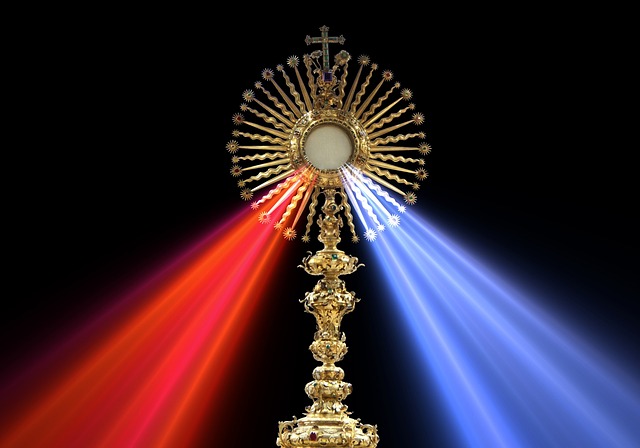
Eucharistic Adoration involves the worship and contemplation of the Eucharist outside of the Mass, often displayed in a monstrance for silent prayer and reverence. When community members gather together for Adoration, it becomes a shared spiritual experience that transcends words. In these quiet moments before the Blessed Sacrament, individuals find common ground in their faith. There is something profoundly unifying about kneeling side by side in stillness, each heart opening to divine grace.
This collective devotional act has, for centuries, brought people closer not only to God but also to one another. Within parishes, organizing perpetual Adoration or even scheduled hours of prayer allows different members of the community—young and old, newcomers and long-standing parishioners—to interact around a central focus. The practice of taking turns throughout the day or night fosters a sense of shared responsibility and involvement. It’s no longer just a personal call to worship; it becomes a communal rhythm that breathes life into the entire religious body.
For many, Eucharistic Adoration becomes a sanctuary—a pause from the chaos of life and an embrace of something eternal. In a society rife with distraction and division, this sacred silence can burn like a beacon of peace. It allows for contemplation of life’s deeper meaning, encourages reconciliation, and offers spiritual healing. Those gathered often leave with not just a renewed faith in God, but in the human spirit, opening their hearts to serve, support, and cherish their neighbors more deeply.
Furthermore, the role of Eucharistic Adoration in building community stretches beyond the chapel doors. Inspired by their time in silent prayer, individuals frequently step forward to participate more fully in outreach, charity, and other parish activities. This profound connection to God instills in them a desire to act, to live their faith in meaningful ways that uplift the collective.
In a way, the presence of the Eucharist becomes a unifying center—a divine heart beating within the body of the Church. And around it, community flourishes. It becomes a place where solitude meets solidarity, where prayer ignites purpose, and where worship transforms into action. Small groups may form for shared intentions, stories are exchanged in hushed tones outside the chapel, and prayers transcend boundaries of age, culture, and background.
As religious traditions continue to seek relevance and resonance in modern society, it is practices like Eucharistic Adoration that quietly yet powerfully sustain the soul of community. It calls us into deeper unity, not through spectacle, but through sacred silence and profound presence. In opening ourselves to Christ in Adoration, we simultaneously open our hearts to one another.