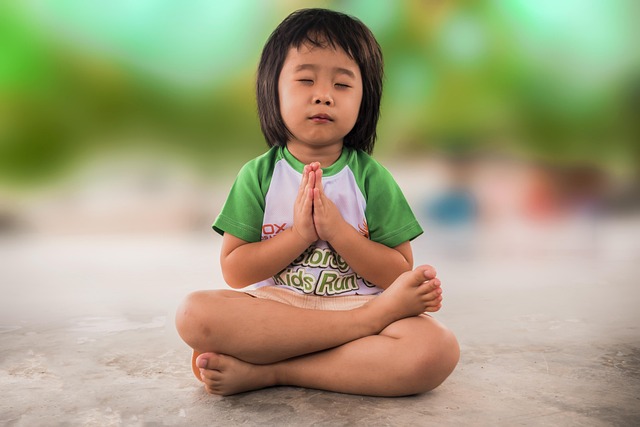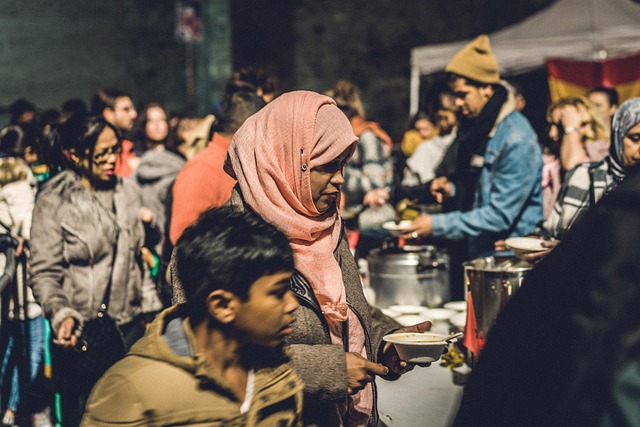
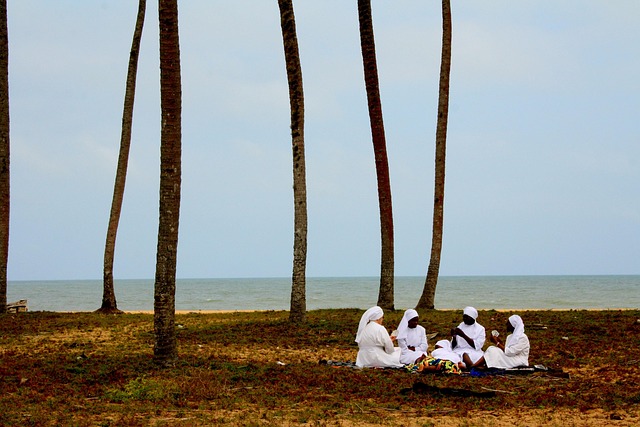

In many religious traditions, meditation has long been a solitary act, practiced in quiet rooms or in the depths of nature. Yet an emerging trend is transforming this inward focus into a shared experience. When meditation is practiced in the community, it becomes a powerful vehicle for collective spiritual growth, fostering unity, compassion, and a deeper sense of belonging. This article explores the historical roots, contemporary practices, and transformative impact of communal meditation across a range of faith traditions.
Historical Roots of Communal Meditation
Long before modern cities pulsed with digital noise, temples, monasteries, and mosques served as gathering places where believers sat together, breathing in rhythm and chanting. In Hinduism, the practice of ‘Sangha’—the community of disciples—often involved group recitations of mantras and guided meditation sessions led by a guru. Buddhism’s Sangha similarly emphasized communal meditation, with lay followers joining monks in sitting retreats. In Christianity, early monastic communities practiced silent contemplation in shared cloisters, setting a precedent for group mindfulness that persists in contemporary liturgical services. Islam’s nightly congregational prayers, though primarily recitation, incorporate moments of silent reflection that parallel meditative stillness.
- Hindu monastic centers hosting daily mantra chanting circles.
- Buddhist sanghas holding group mindfulness retreats.
- Early Christian monastic silence in cloistered communities.
- Islamic congregational prayers incorporating reflective pauses.
The Spiritual Imperative Behind Group Meditation
At its core, meditation in the community fulfills a deep human need for connection. While individual practice cultivates personal insight, communal practice amplifies the experience through shared energy, echoing the principle that “sacred geometry thrives in collective symmetry.” In this shared space, the breath becomes a collective heartbeat, and the silence a mutual covenant of trust. Such gatherings allow participants to see their own reflections in the faces around them, fostering empathy and mutual responsibility.
“The breath of one becomes the wind for many.” – Anonymous Spiritual Teacher
Contemporary Forms of Communal Meditation
Across the globe, modern religious communities have reimagined meditation to fit contemporary life. In urban settings, interfaith meditation circles bring together people from different traditions—Christian, Jewish, Muslim, Buddhist, and secular—to share a moment of stillness before a joint service or community event. Some churches incorporate guided visualizations before Sunday sermons, allowing congregants to center themselves for the sermon’s message. Hindu temples often host group yoga-meditation classes that blend movement with breath awareness. Buddhist centers organize weekend retreats open to all, where participants share a meal, sit together, and practice mindfulness throughout the day.
- Interfaith meditation circles held in community centers.
- Guided visualizations preceding religious services.
- Group yoga-meditation classes in temples and mosques.
- Weekend retreats fostering shared mindfulness across denominations.
How to Start a Community Meditation Group
For leaders who wish to cultivate this practice, the first step is intent: a clear vision of what the group aims to achieve. Whether the goal is deeper worship, conflict resolution, or simply quiet time, the structure must remain flexible. Begin with a modest gathering—perhaps a small circle in a community hall or a park. Offer a brief introduction to the purpose and benefits of meditation in the community, followed by a guided session lasting ten to fifteen minutes. Encourage participants to share their experience afterward, reinforcing the sense of belonging.
- Define a clear purpose and share it with potential members.
- Choose a welcoming and accessible location.
- Start with short guided sessions to build confidence.
- Facilitate post-meditation discussion to strengthen bonds.
- Gradually increase session length and frequency based on feedback.
Spiritual Connection Through Shared Stillness
When individuals sit together in silence, they create a shared field of attention. This field is not merely a sum of individual meditations but a new, emergent energy that resonates with each participant. Studies in neuroscience suggest that group meditation can synchronize brain waves, creating a communal rhythmic pattern that enhances empathy and cooperation. From a theological perspective, this shared stillness reflects the communal nature of the divine—many hearts beat as one toward a higher purpose. Such unity can manifest in tangible ways: heightened community cohesion, reduced interpersonal conflict, and a collective sense of purpose.
Case Studies of Transformation
In a small rural town, a weekly meditation circle organized by a local church saw a dramatic decline in petty disputes. Participants reported that the shared practice helped them approach each other with calmness and compassion, turning previously heated conversations into constructive dialogues. In a metropolitan setting, an interfaith meditation group began a “peace walk” where members walked the city streets in silence, fostering a shared sense of responsibility for the urban environment. The practice inspired local businesses to adopt mindfulness programs, creating a ripple effect of well-being throughout the neighborhood.
Challenges and Ways to Overcome Them
Implementing meditation in the community is not without obstacles. One common challenge is skepticism—many people associate meditation with mysticism or doubt its relevance to their faith. Others fear that group silence might feel isolating rather than supportive. Cultural and linguistic differences can also create barriers to a unified experience. Addressing these issues requires intentional communication: framing meditation as a scriptural or doctrinally endorsed practice, providing inclusive language, and creating an environment where questions are welcomed. Additionally, integrating movement or chanting can help bridge cultural divides, allowing diverse participants to connect through rhythm rather than silence alone.
Strategies for Inclusive Community Meditation
1. Offer bilingual or multilingual guidance.
2. Incorporate familiar religious chants or hymns.
3. Use guided visualizations that reference shared moral values.
4. Rotate facilitators to reflect the diversity of the group.
5. Provide post-session debriefs where participants can share insights.
Conclusion: A Path to Deeper Spiritual Connection
When meditation is practiced in the community, it transcends the individual and becomes a collective journey toward spiritual harmony. This shared practice cultivates empathy, fosters communal healing, and aligns believers with a higher purpose that transcends personal boundaries. Whether held in a quiet temple hall, a bustling city park, or a virtual video call, communal meditation offers a bridge between tradition and modernity, between self and others, and ultimately, between humanity and the divine. As communities around the world continue to embrace this path, they illuminate a future where collective stillness becomes a beacon of hope, unity, and spiritual renewal.