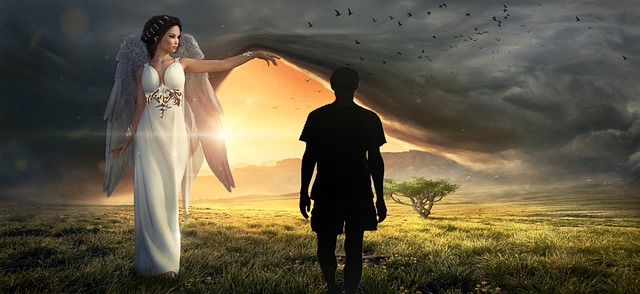
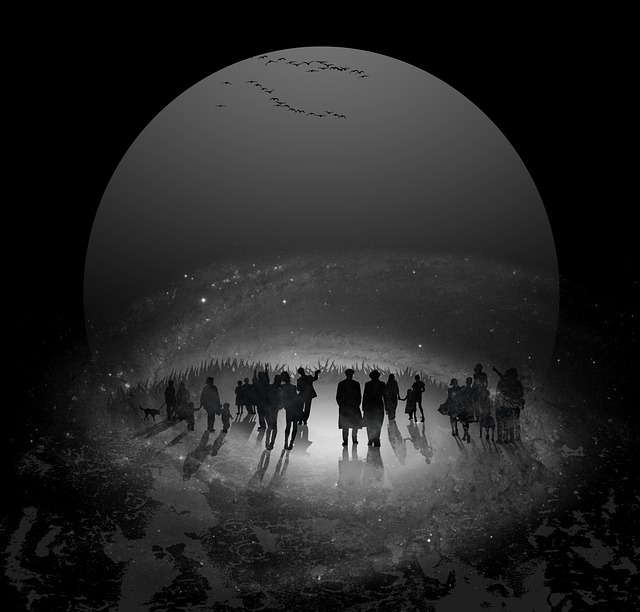

For millennia, human societies have turned their gaze upward and inward, seeking to understand the unseen realms that lie beyond the material world. The idea of a spirit world—a domain populated by deities, ancestors, guides, and sometimes restless souls—has woven itself into the fabric of countless religious traditions. Across continents and cultures, rituals, myths, and doctrines have emerged to explain, honor, and sometimes confront the forces believed to inhabit this ethereal sphere.
Foundations of the Spirit World Concept
At its core, belief in a spirit world reflects a fundamental human desire to bridge the gap between the known and the unknown. It provides an explanatory framework for events that defy ordinary logic: sudden illnesses, unexplained blessings, or the mysterious disappearance of a loved one. By personifying these occurrences through spirits, cultures create a narrative that is both comforting and instructive.
Anthropological Roots
Anthropologists trace the earliest spirit world ideas to hunter‑gatherer societies, where the environment’s capriciousness demanded a sophisticated set of cosmologies. Spirits were seen as guardians of natural features—rivers, trees, rocks—and as intermediaries between humans and the divine. These early beliefs laid the groundwork for more elaborate theological systems.
Major Religious Traditions and Their Spirit World Narratives
- Hinduism: The concept of Brahman as the ultimate reality is complemented by a rich pantheon of devas and asuras, as well as a complex hierarchy of ancestral spirits known as shraddhā.
- Buddhism: While often perceived as a doctrine focused on ending suffering, many Buddhist cultures embrace a vivid afterlife composed of multiple realms, ranging from heavenly abodes to hellish punishments.
- Islam: Though monotheistic, Islamic teachings include beliefs in angels, jinn, and a detailed afterlife that features a final judgment, paradise, and hell.
- Christianity: Many denominations affirm the existence of an afterlife where souls either join God in heaven, suffer in hell, or, in some interpretations, experience purgation.
- Indigenous Spiritualities: From the shamanic practices of Siberian peoples to the ancestral worship of the Maori, the spirit world is often a living, interactive space integral to daily life.
- Shinto: The kami—spirits inhabiting natural elements—are central to rituals that honor both the living and the deceased.
Common Themes Across Cultures
- Intermediary Figures: Whether saints, ancestors, or shamans, many traditions posit a conduit that facilitates communication between the earthly realm and the spirit world.
- Ritual Offerings: Sacrifices, libations, and prayers serve to appease or honor spirits, ensuring harmony and protection.
- Cycles of Rebirth: Reincarnation or renewal is a prevalent concept, underscoring a belief in continuous interaction with the spirit world.
- Moral Accountability: The presence of a spirit world often reinforces ethical behavior by promising reward or punishment beyond the mortal lifespan.
Ritual Practices That Connect with the Spirit World
Rituals are the tangible expressions of belief. They transform abstract concepts into lived experience, allowing participants to interact with the unseen forces they revere.
“The act of offering bread to a deceased relative is not merely a tradition; it is a dialogue across realms.”
Examples include:
- Ancestor Veneration: In many East Asian cultures, families maintain shrines that house memorial tablets, offering incense and tea to honor ancestors who are believed to watch over the living.
- Midnight Ceremonies: In some African traditions, night-time gatherings with drumming and chanting are conducted to invite ancestral spirits into communal spaces.
- Day of the Dead: Mexican communities celebrate the return of spirits during this festival, blending Catholic and indigenous symbolism.
- Shamanic Journeys: Siberian and Amazonian shamans use trance states induced by rhythmic drumming or hallucinogenic plants to traverse the spirit world, seeking guidance or healing for their community.
Theological Interpretations and Ethical Implications
While rituals provide a means to access the spirit world, theology shapes how believers interpret these encounters. For instance, some traditions view the spirit world as a purely benevolent sanctuary, while others emphasize a dualistic balance of light and darkness.
These interpretations influence moral conduct. If a society believes that misdeeds invite malevolent spirits, communal norms shift toward collective responsibility. Conversely, if the spirit world is seen as a place of reward for virtuous deeds, individuals may be motivated by aspirations of transcendence.
Modern Adaptations and Globalization
In the contemporary world, the notion of a spirit world has both endured and evolved. Global migration brings diverse spiritual practices into new contexts, prompting syncretism and reinterpretation. For example, Caribbean religions like Vodou blend African spirit beliefs with Catholic saints, creating unique hybrid rituals that resonate with both traditional and modern audiences.
Digital platforms have also transformed spiritual engagement. Virtual ceremonies, livestreamed prayers, and online community groups allow believers to share experiences with the spirit world beyond geographical boundaries.
Challenges and Controversies
Belief in a spirit world is not without its critics. Skeptics argue that such beliefs can perpetuate fatalistic attitudes or justify harmful practices. In some societies, accusations of witchcraft or possession have led to social ostracism or violence.
Conversely, adherents argue that spiritual frameworks provide essential emotional support, cultural identity, and a sense of continuity, especially in times of crisis. Balancing respect for tradition with human rights remains an ongoing dialogue.
Personal Reflections on the Spirit World
Throughout history, countless individuals have reported encounters—visual, auditory, or emotional—that seem to bridge the gap between life and the spirit world. Whether experienced through meditative states, dream sequences, or communal rites, these moments often leave a lasting imprint on a person’s worldview.
For many, these encounters reinforce faith and provide clarity in moments of uncertainty. For others, they inspire artistic expression, philosophical inquiry, and a deeper appreciation for the mysteries that surround us.
Conclusion: The Enduring Significance of Spirit World Traditions
The spirit world, with its myriad forms and meanings, remains a powerful element in human spirituality. It offers an explanation for the inexplicable, a framework for moral guidance, and a shared space where communities connect with both the past and the unseen. As cultures continue to evolve, the ways we imagine, honor, and interact with the spirit world will undoubtedly adapt, yet the underlying human impulse—to reach beyond the immediate and find meaning in the vastness of existence—will endure.