
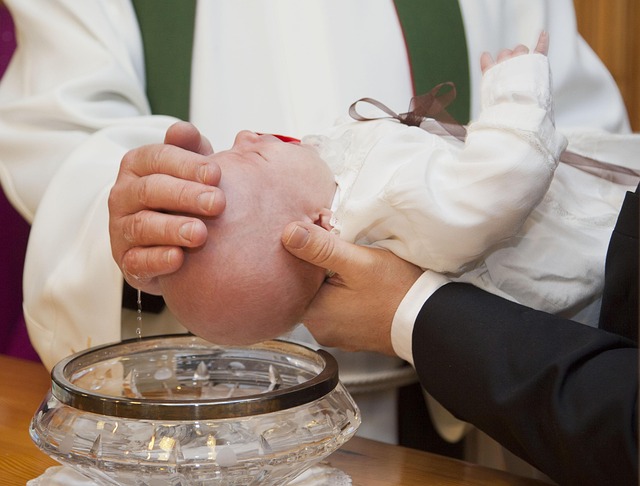

Within Christian communities, the act of christening stands as one of the most visible and deeply symbolic rituals. It is not merely a name given at birth, but a covenant, a public declaration of faith that binds an individual to the church body and the wider Christian narrative. Though the practice varies across denominations, the central themes of cleansing, renewal, and incorporation into a spiritual family remain consistent. The christening ceremony has been traced back to the earliest days of the church, and its evolution reflects theological shifts, cultural contexts, and the changing nature of Christian identity over centuries.
The Theological Foundations of Christening
The theological basis for christening can be found in the New Testament, particularly in the accounts of baptisms performed by John the Baptist and the apostles. In the Gospel of Matthew, Jesus instructs his disciples to baptize “in the name of the Father, and of the Son, and of the Holy Spirit.” (Matthew 28:19) This Trinitarian formula signals that christening is a participation in the divine triune life and a means of grace for the believer. The rite is viewed as a sign of being cleansed from sin and reborn into a new life committed to following Christ.
- Symbolic cleansing through water, representing the washing away of original sin.
- Public affirmation of faith, creating a record of the individual’s entry into the Christian community.
- Participation in the Trinity, reflecting the communal nature of the church.
Historical Development of the Practice
During the early church period, baptism was reserved for adults who had consciously chosen the Christian life. However, by the fourth century, infant baptism became more widespread, influenced by theological debates on original sin and the role of parents in fostering faith. The practice solidified during the Middle Ages when the Catholic Church established a structured rite of chrism, which includes anointing with holy oil, the recitation of specific prayers, and the presentation of the child to the congregation.
“The rite of christening was not only a ritual act but a communal investment in the spiritual future of the child, ensuring that the family and the church would nurture the new member through shared faith and practice.” — Church Historian, 1973
Denominational Variations
While the core elements remain, different Christian traditions have adapted the christening ceremony to fit their theological emphasis and liturgical preferences. Below are brief outlines of how some major denominations approach the rite:
- Roman Catholicism: Infant baptism is mandatory, typically conducted in the same ceremony as confirmation and chrismation. The ritual emphasizes the sacramental nature of water and the Holy Spirit’s gift.
- Eastern Orthodoxy: Baptism is performed by full immersion, followed by chrismation. The rite involves a series of prayers and a liturgical procession, underscoring the communal aspect of the sacrament.
- Protestant traditions (Lutheran, Anglican, Methodist): While infant baptism is common, some emphasize a later profession of faith. The ceremony often includes a covenant sign, such as a blessing over a cup of wine, to symbolize the Holy Spirit’s presence.
- Pentecostal and Holiness churches: Baptism is frequently associated with speaking in tongues or prophetic gifts, underscoring a more experiential approach to the grace received through christening.
Role of Parents and Sponsors
Parents or chosen sponsors play a crucial role in the christening ceremony, acting as spiritual guides and responsible parties for the child’s upbringing. In many traditions, sponsors are required to pledge to nurture the child’s faith and assist parents in fostering a Christian environment. This covenant reflects the belief that faith is nurtured through community and shared responsibility.
The Symbolic Elements of the Rite
The christening ritual incorporates several symbolic actions that collectively convey theological truths. Understanding these symbols enriches the experience and deepens the meaning for participants.
- Water: Represents purification, the removal of sin, and the promise of new life.
- Oil (Chrism): Signifies the sealing of the Holy Spirit, empowerment, and protection.
- White garment: Symbolizes purity and the new identity the individual gains through faith.
- Light (candle or lamp): Represents the presence of God and the spreading of divine truth through the baptized.
- Water blessing (sprinkling or pouring): Acts as a tangible reminder of the covenant and the promise of ongoing spiritual nourishment.
Liturgical Texts and Prayers
Across denominations, the liturgical text often contains a series of blessings, petitions, and scriptural readings that contextualize the act of christening within the larger narrative of salvation history. A typical passage might read:
“Lord, make me a holy priest of your name. O Christ, we are your chosen ones. May this child be a witness to your grace and love.” – Adapted from traditional liturgical texts
Christening in the Modern Context
Today, the christening ceremony continues to be an essential rite, yet it adapts to the realities of contemporary life. The rise of interfaith families, secular societies, and global mobility has influenced how the rite is approached. Some families opt for smaller, more intimate ceremonies while still preserving core symbols, whereas others may incorporate multicultural elements to honor diverse heritages. Nonetheless, the primary intent—to initiate an individual into the Christian community and to affirm faith—remains unchanged.
Challenges and Opportunities
Modern challenges include navigating varying denominational expectations, addressing theological differences within families, and ensuring that the ceremony remains meaningful amidst rapid cultural shifts. However, these challenges also present opportunities for dialogue, deeper understanding, and intentional community building. Churches are increasingly offering educational programs that explain the meaning behind each part of the rite, encouraging informed participation.
Conclusion: The Enduring Significance of Christening
Christening, as a sacred rite, functions as a bridge between the individual, the family, and the wider Christian community. Its rich symbolism, theological depth, and historical continuity offer a powerful means of affirming faith and fostering spiritual growth. Whether conducted in a grand cathedral, a modest parish, or an intimate family setting, the act of christening remains a profound declaration of belonging, renewal, and hope. In a world marked by change, the rite continues to provide a stable anchor that reminds believers of their divine origin and communal purpose.